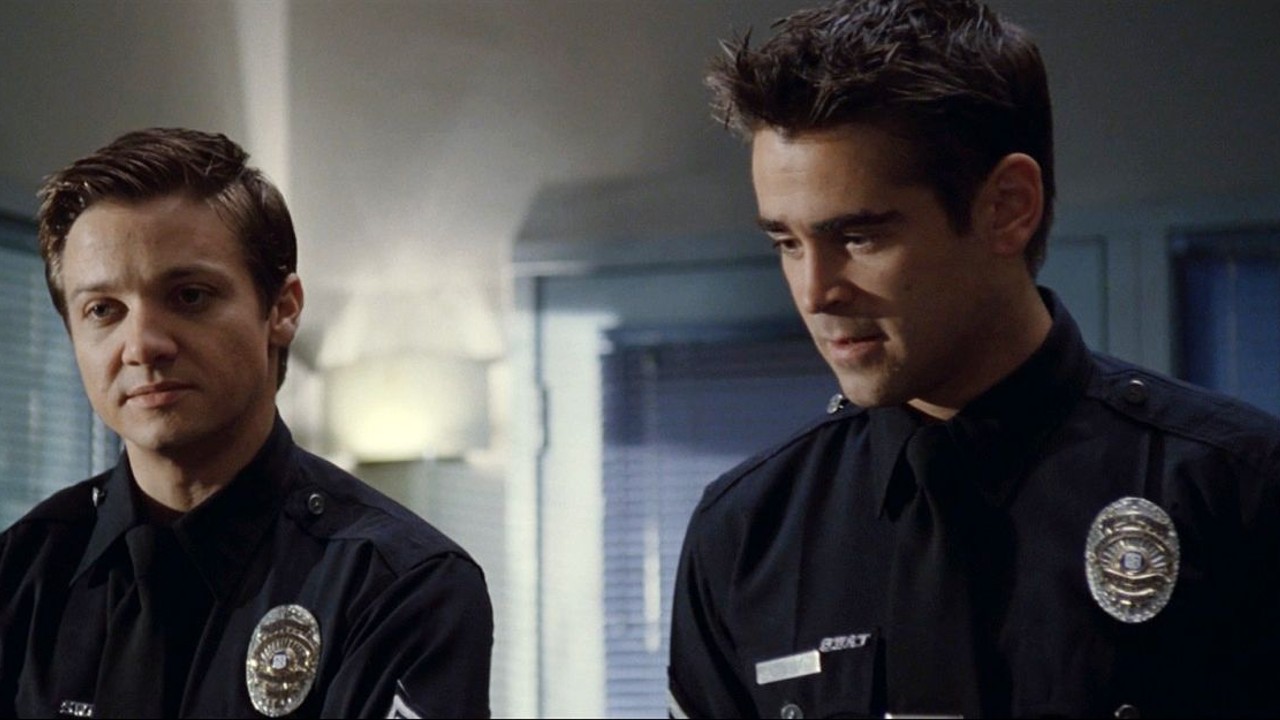
S.W.A.T. Then vs. Now: The Truth Behind the TV Show and Colin Farrell’s Movie
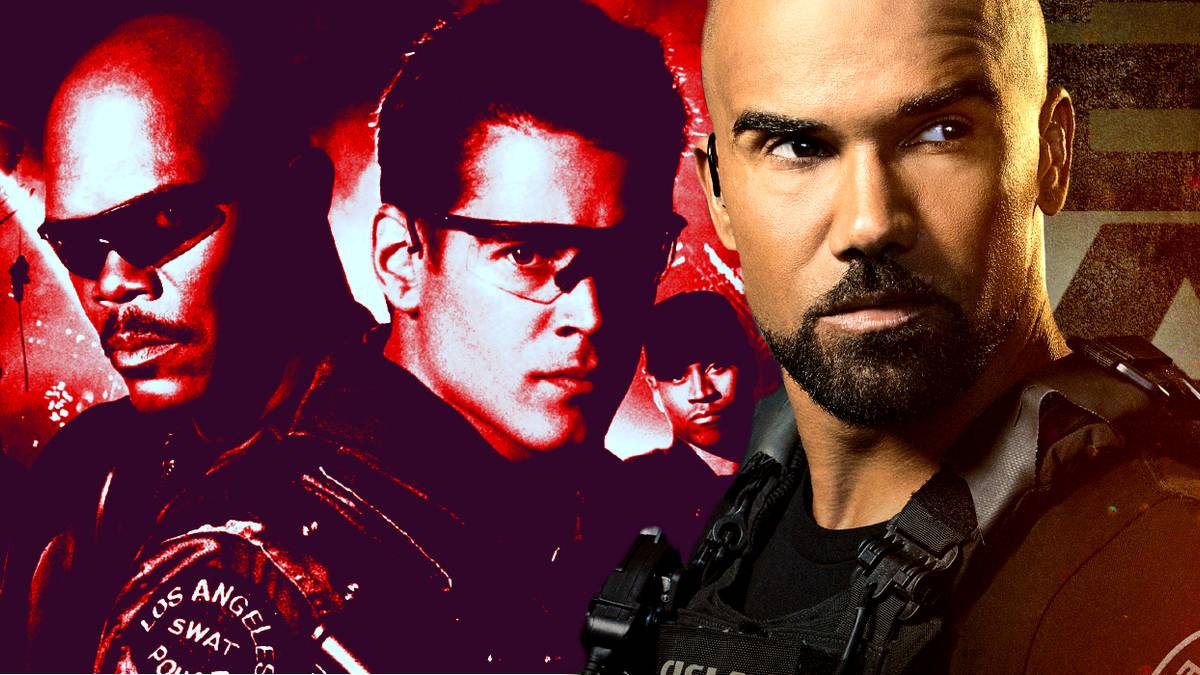
S.W.A.T. Then vs. Now: The Truth Behind the TV Show and Colin Farrell’s Movie
Many people know S.W.A.T. through the long-running CBS television series starring Shemar Moore, while others first discovered the franchise through the 2003 action film starring Colin Farrell. Although both productions share the same basic premise—a highly trained Special Weapons and Tactics unit—they are very different in tone, storytelling, and character development. Over the years, each version has built its own loyal fan base while honoring the legacy of the original concept.
The origins of S.W.A.T. actually stretch back much further than either the movie or the modern television series. The franchise began with the 1975 television series, inspired by the popularity of police dramas during that era. While that original show ran for only two seasons, it introduced audiences to elite tactical officers who responded to situations too dangerous for regular patrol units. The famous theme music became an instant classic and remains closely associated with the franchise today.
In 2003, Hollywood reimagined the concept as a major action film. The movie starred Samuel L. Jackson as Sergeant Dan “Hondo” Harrelson and Colin Farrell as Officer Jim Street. Rather than focusing on weekly police investigations, the film centered on a single high-stakes mission involving the transportation of an international fugitive who offers a massive reward to anyone capable of helping him escape.
The movie embraced the fast-paced style typical of early-2000s action films. Large explosions, vehicle chases, intense shootouts, and elaborate tactical sequences dominated the story. While audiences learned about the principal characters, the film primarily emphasized spectacle and adrenaline rather than long-term character development.
When CBS introduced the modern S.W.A.T. television series in 2017, the creative direction shifted significantly. Although the show retained familiar names such as Hondo and Street, it presented entirely new interpretations of those characters. Shemar Moore’s version of Hondo became the emotional center of the series, serving not only as an elite tactical leader but also as a bridge between the Los Angeles Police Department and the diverse communities the officers served.
Unlike the film, which unfolded over roughly two hours, the television series had the advantage of developing its characters across multiple seasons. Viewers watched Hondo, Deacon, Tan, Chris, Street, Luca, Powell, and other members of 20-Squad grow both professionally and personally. Their friendships, family relationships, and individual struggles became just as important as the tactical missions themselves.
Another major difference lies in the storytelling style. The 2003 movie follows one continuous mission with a clear beginning, middle, and conclusion. The television series instead adopts an episodic format, allowing each week to introduce a new crisis while gradually advancing ongoing character arcs. This structure enabled audiences to become deeply invested in the personal lives of the squad members over many years.
The action itself also evolved between the two versions. Colin Farrell’s film relied heavily on cinematic set pieces designed for the big screen, featuring dramatic firefights and large-scale pursuits. The CBS series continued delivering exciting tactical operations but balanced them with negotiation, crisis management, rescue missions, and investigations involving organized crime, terrorism, hostage situations, and community emergencies.
Perhaps the most noticeable change is the role of Hondo. In the movie, Samuel L. Jackson’s Hondo serves primarily as a veteran instructor responsible for assembling an elite unit. His leadership is firm, experienced, and highly respected, but the film has limited time to explore his personal life.
In contrast, Shemar Moore’s Hondo becomes one of television’s most fully developed law enforcement characters. Throughout the series, viewers see him navigate leadership challenges, family responsibilities, difficult ethical decisions, and the pressure of balancing public expectations with departmental responsibilities. His character evolves continuously rather than remaining static.
The supporting casts also differ considerably. The film introduces memorable teammates but keeps the focus tightly centered on completing the mission. The television series allows every member of 20-Squad to receive meaningful storylines. Characters experience promotions, personal losses, marriages, career setbacks, and emotional growth, creating a stronger sense of family within the team.
Technology reflects another interesting contrast. The 2003 film showcased equipment considered highly advanced for its time. By comparison, the television series incorporates modern surveillance systems, drones, cyber investigations, advanced communications, and evolving tactical methods that mirror contemporary law enforcement challenges.
One area where both versions remain remarkably similar is their emphasis on teamwork. Whether portrayed in a feature film or an eight-season television drama, S.W.A.T. consistently reinforces the idea that success depends on trust, preparation, and cooperation. No individual officer succeeds alone; every mission requires discipline and coordination.
The television series also expanded the emotional scope of the franchise. Alongside thrilling action, episodes regularly explored themes such as leadership, accountability, family, friendship, grief, resilience, and community service. These elements helped distinguish the CBS series from a traditional action procedural and gave viewers reasons to remain emotionally invested year after year.
Despite their many differences, neither version replaces the other. Instead, they complement one another. The 2003 movie offers an exciting, self-contained action experience with charismatic performances and blockbuster energy. The CBS series provides a much deeper exploration of its characters while maintaining the tactical excitement that defines the franchise.
For longtime fans, watching both productions highlights how the concept has evolved across decades. The original television series introduced the idea, the 2003 film modernized it for cinema audiences, and the CBS reboot transformed it into a long-running character-driven drama capable of balancing explosive action with meaningful storytelling.
Ultimately, the truth behind S.W.A.T. is that every generation has shaped the franchise in its own way. Colin Farrell’s film delivered a thrilling action spectacle that successfully brought the brand back to mainstream audiences. Years later, Shemar Moore and the cast of the CBS series expanded that foundation into one of television’s most successful police dramas, proving that the franchise could thrive not only through breathtaking action but also through compelling characters whose courage, loyalty, and dedication resonated with viewers around the world.
Rather than competing with one another, the movie and the television series represent two different interpretations of the same enduring idea: when ordinary situations become extraordinary crises, highly trained professionals step forward, work together, and risk everything to protect the people they have sworn to serve.